Spreadsheets and basic accounting tools can work well during the early stages of a business. But as operations expand, the same processes can become difficult to manage.
If your teams spend increasing amounts of time updating spreadsheets, searching for information, or manually preparing reports, your business may be ready for an ERP solution.
Here are seven common signs.
1. Your Business Depends Heavily on Spreadsheets
When critical information is distributed across multiple Excel files, maintaining accurate and updated data becomes difficult.
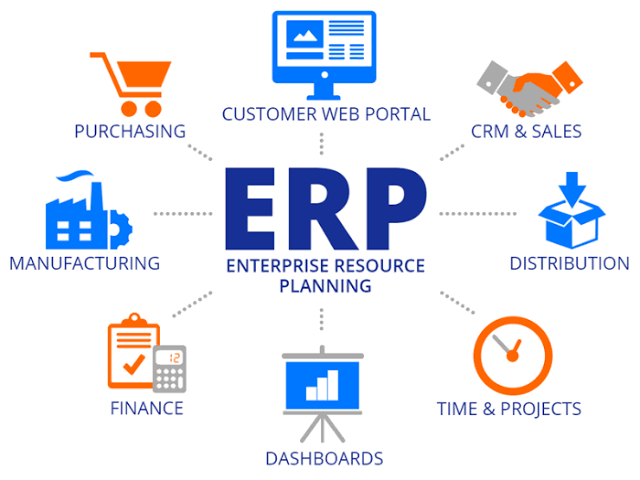
An ERP system provides a centralized source of business information.
2. Different Departments Use Disconnected Software
Finance, sales, inventory, purchasing, and operations may use different applications that do not communicate with each other.
ERP integration connects these functions and creates smoother information flow across departments.
3. Reports Take Too Long to Prepare
If management reports require hours of manual data collection and consolidation, decision-making can become slower.
ERP dashboards provide faster access to operational and financial information.
4. Inventory Is Difficult to Track
Businesses dealing with products need visibility into stock levels, purchases, sales, and movement of inventory.
ERP systems can provide centralized inventory information and improve planning.
5. Financial Reconciliation Requires Too Much Manual Work
Manual reconciliation increases workload for finance teams and can delay month-end processes.
Automation can simplify transaction matching and improve accounting efficiency.
6. Approvals Are Delaying Operations
Purchase approvals, expenses, payments, and other internal requests can become bottlenecks when handled through emails or messaging applications.
ERP workflows can route approvals to the right people and maintain a clear record of each action.
7. Growth Is Making Operations More Complex
Opening new locations, adding employees, expanding product lines, or managing multiple entities creates additional operational complexity.
A scalable ERP system provides the structure required to manage this growth without losing visibility or control.
Is It Time to Implement an ERP?
ERP implementation should not begin with software selection alone. Businesses first need to understand their existing processes, identify operational gaps, and determine what should be automated.
Chartecha follows a structured approach — Discover, Recommend, Implement, Train, and Support — to help businesses choose and implement ERP solutions that fit their operational requirements.
With the right ERP foundation, businesses can reduce manual work, improve visibility, strengthen financial controls, and prepare for sustainable growth.