If you run a solar installation company, you probably know this feeling. A lead calls on Monday, a site survey happens on Thursday, the quote goes out a week later, and by the time the panels are on the roof, nobody is quite sure which vendor was paid, which subsidy form is pending, or whether the warranty paperwork reached the customer.
Farms have their own version. Inputs bought in one place, labor tracked in a notebook, produce sold at the mandi, and the real profit figure only becomes clear months later, if at all.
Both situations come down to the same thing. Generic software wasn’t built for them. Let’s look at what each business needs, and what purpose-built tools look like.
Why general-purpose tools fall short
A standard accounting package knows what an invoice is. It doesn’t know what a site survey is, or what a mandi bill looks like, or why subsidy accounting needs its own handling.
That’s the gap industry-specific systems try to close. Chartecha, a Chartered Accountant-led ERP firm, builds what it calls tailored SME products for several sectors. Two of them are relevant here: Solaronix for solar and Agronomic for automated farming. Both pair operations, ERP, billing, accounting, CRM and compliance on one platform, which is how the company pitches them.
Solar: more than a lead list
When people search for Solar CRM software in India, they often start with the sales side: capture the lead, follow up, send the quote. That’s important, but a solar business doesn’t end at the sale. It runs for years after installation.
According to Chartecha, Solaronix is meant to cover the full life cycle. The headline capabilities are:
- Tracking projects and installations
- Managing inventory and procurement
- Handling annual maintenance contracts (AMC) and service tickets
- Monitoring warranties and system performance
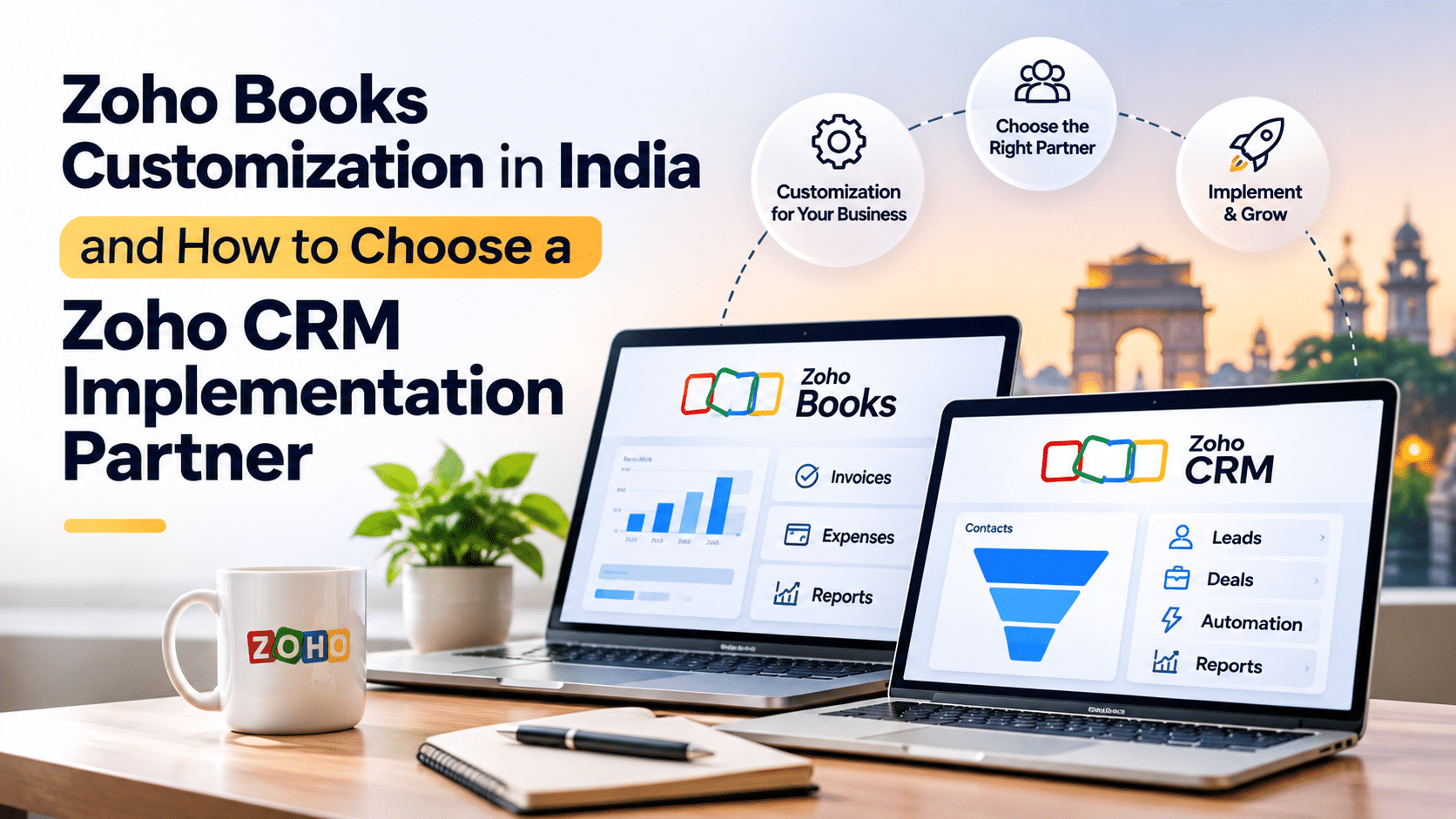
Behind that sit the practical pieces. On the operations side, it covers site survey scheduling and installation crews. The ERP side handles project costing, bill-of-materials planning and resource allocation. Billing includes customer quotations and milestone-based invoicing, which suits projects paid in stages. Accounting runs through Zoho Books, with subsidy tracking, vendor payments and project-level profit and loss.
The CRM piece uses Zoho CRM for the pipeline from lead to installation, and Zoho Desk for service requests after the system is up.
The compliance bit people underestimate
Solar in India comes with its own paperwork. The page lists MNRE subsidy documentation, net-metering approvals and GST as part of the setup. If you’ve ever chased a subsidy file for weeks, you’ll know why having that sit inside the same system as your projects and accounts is appealing.
Farming: where the numbers hide
Agriculture is harder to systemic, because so much happens outdoors and across seasons. Still, a farm is a business with inputs, labor, output and buyers, and it benefits from the same discipline.
If you’re searching for Agriculture ERP software in India, Agronomic is Chartecha’s answer. It’s described as a platform for farm automation, crop management, yield tracking and mandi compliance. The key capabilities listed are:
- IoT-based farm monitoring
- Crop and yield tracking
- Inventory and produce management
- Mandi and compliance tracking
The supporting pieces are practical. Operations covers farm activity scheduling plus labor and task management. The ERP side handles land, resources and input planning. Sales and billing cover produce sales and mandi billing. Accounting, again through Zoho Books, tracks input costs and subsidy accounting. And Zoho CRM manages buyers, suppliers and contract-farming relationships.
On compliance, the page mentions mandi and APMC regulations, GST, and organic or quality certification, which matters a lot if you sell certified produce.
Why “tailored SME products” is the interesting part
For a small business, that can mean a shorter path to something useful. I’d still be careful, though. Pre-built doesn’t mean one-size-fits-all, and Chartecha says each setup is customized to the client’s own processes, reports and compliance needs. That customization is worth pressing on in any conversation.
Plenty of vendors sell flexible ERP and tell you to configure it yourself. The pitch behind solar CRM ERP SME products and agriculture ERP SME products is different: the industry workflow is already mapped, so you’re adjusting a system that speaks your language rather than building one from scratch.
How to judge any of these tools
Here’s what I’d check before committing, whichever vendor you talk to. This is general advice, not from the product page.
Does it follow your actual workflow? Ask to see your process, say a rooftop installation or a harvest-to-mandi cycle, walked through step by step.
Can your team really use it? A system nobody opens is just an expensive folder. Ask about training.
How does it handle compliance? If subsidies, GST or mandi rules matter to you, ask for specifics rather than a general assurance.
What happens to your existing data? Whether you’re moving from Tally, spreadsheets or paper, find out who checks the migration.
What’s the support like after go-live? The first month is easy. Month six is where you find out.
Getting started
Chartecha offers a free consultation. You can call +91 95216 89595 or email solutions@chartecha.com, and the team has offices in Andheri West, Mumbai and at Mall of Jaipur in Vaishali Nagar, Jaipur. Bring your real problems: the pending subsidy files, the stock you can’t reconcile, the farm costs you only understand at year-end. Ask them to show you how the system deals with those exact cases.