Most ERP stories don’t fail because of the software. They fail somewhere around month three, when the accounts team is still keeping a parallel Excel sheet “just in case,” the warehouse doesn’t trust the stock numbers, and nobody can explain why the GST report doesn’t match.
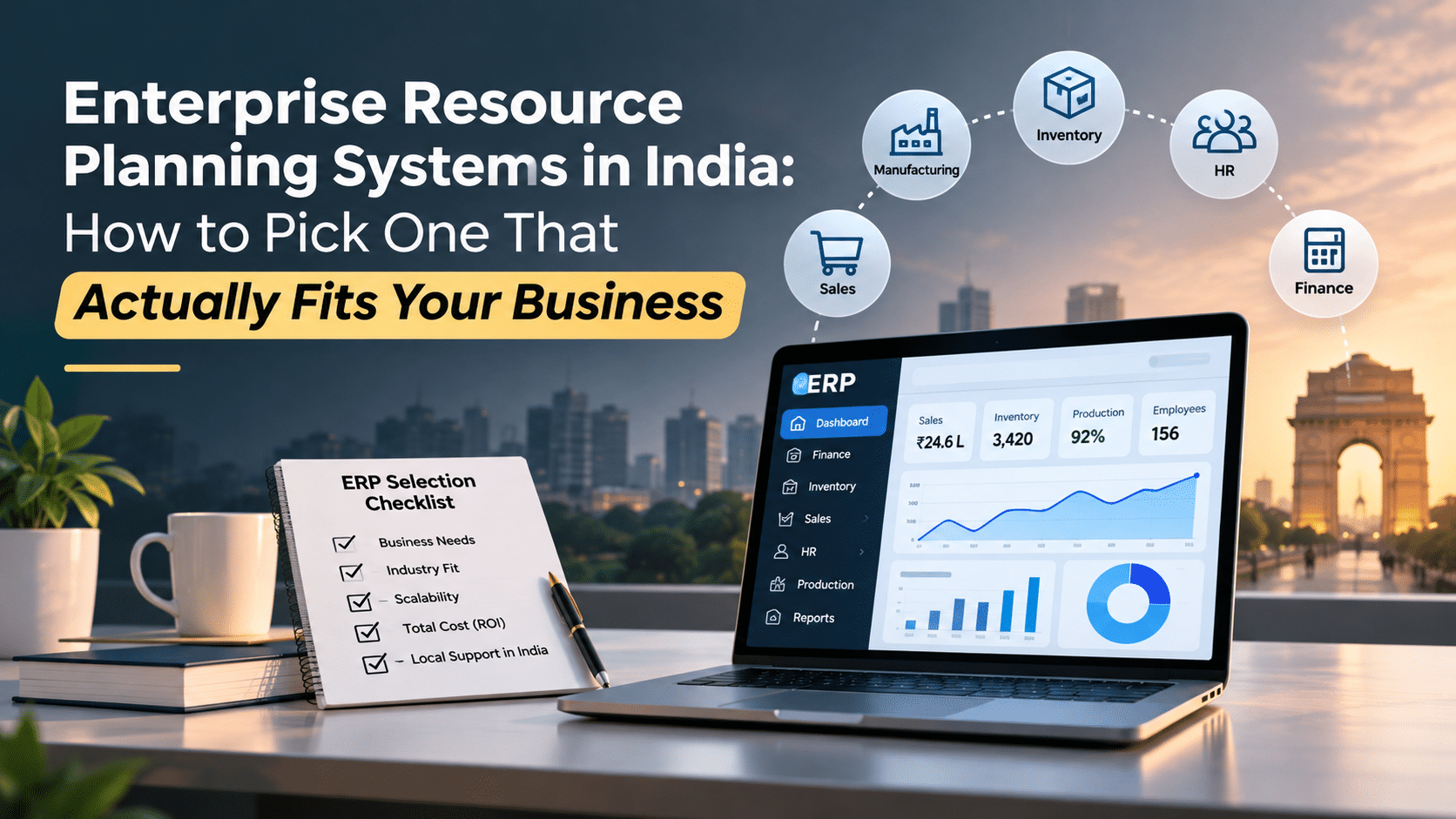
I’d argue the person guiding the project matters at least as much as the product. So let’s talk about both: what to look at when you’re comparing enterprise resource planning systems in India, and how to pick the people who’ll set them up.
First, what you’re actually buying
An ERP pulls the core of your business into one system: accounts, inventory, sales, purchasing, payroll, reporting. The pitch is simple. Instead of five tools that don’t agree with each other, you get one set of numbers everyone can trust.
For a company in India, there’s an extra layer. Your system has to handle GST properly, produce reports an auditor will accept and, if you’re an NBFC, deal with RBI requirements too. A generic setup that ignores these will cost you later, usually at the worst moment, like a notice or an audit.
That’s why many Indian businesses look for enterprise resource planning systems in India from providers who understand both the technology and the compliance side.
Two platforms you’ll hear about a lot
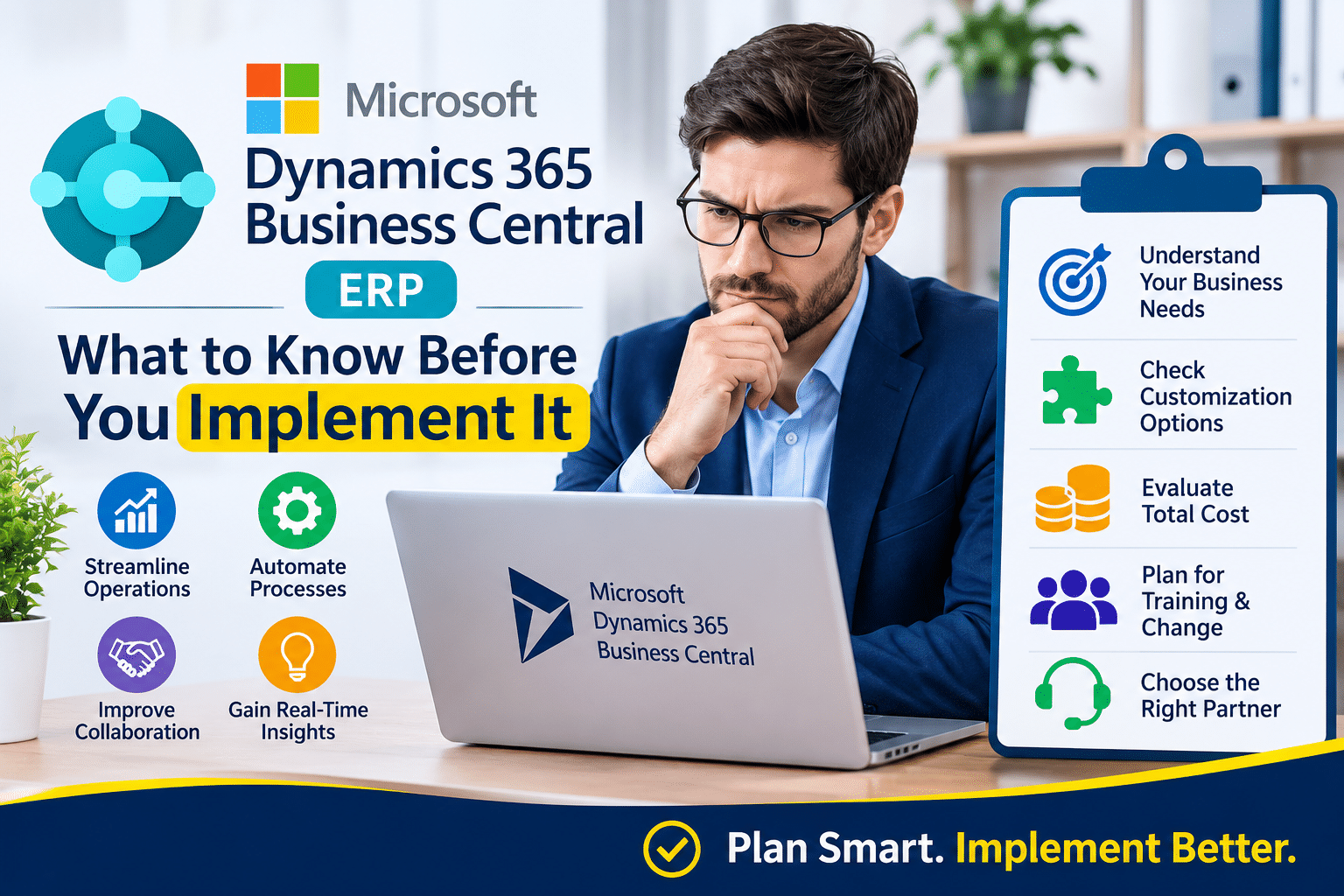
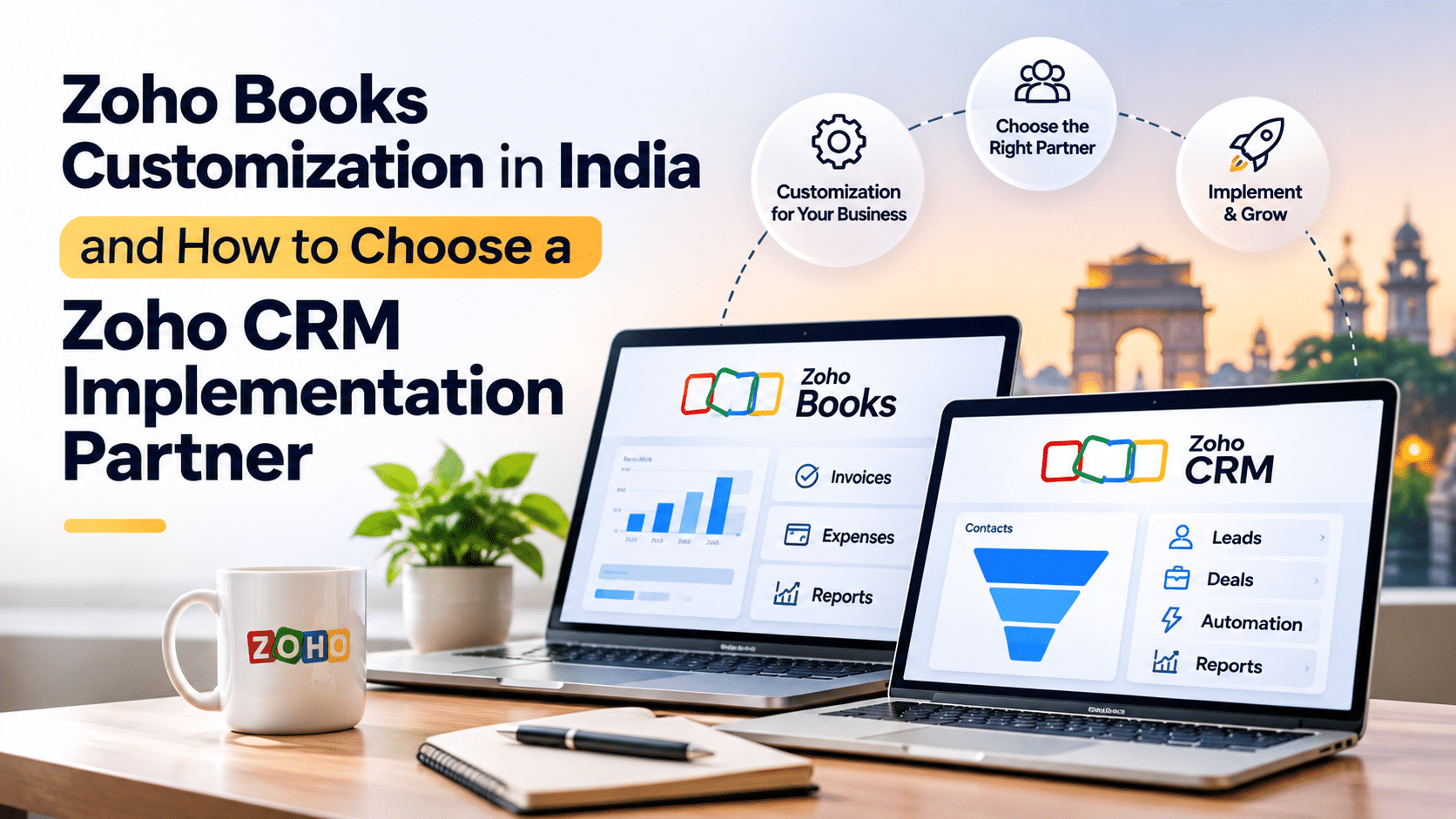
Chartecha’s works with two: Zoho (including Zoho Books, CRM, Inventory, Payroll and Analytics) and Microsoft Dynamics 365 Business Central.
I’d put it like this. Zoho tends to appeal to growing businesses that want a connected suite without a heavy footprint, and it’s a common landing spot for companies moving off Tally. Business Central suits organizations that want deeper customization and already live in the Microsoft world. Neither is “better.” The right one depends on your size, your processes and how much tailoring you need. A good partner should tell you that honestly instead of pushing whatever they sell most.
The partner question
Here’s the uncomfortable truth about picking an ERP implementation partner in India: anyone can install software. The hard part is understanding how your business works well enough to set it up correctly.
When you talk to an ERP implementation partner in India, these are the things I’d press on:
Do they understand finance, not just IT? Chartecha’s whole pitch is that it’s led by chartered accountants. That matters because a system that gets the chart of accounts, tax treatment or reporting structure wrong creates problems that surface months later.
Will they recommend, or just sell? Their process includes a stage where they identify the ERP that fits your business, rather than assuming one answer for everyone.
Is it tailored? The company says it doesn’t do one-size-fits-all, and that each setup is built around your own workflows, reports and compliance needs. Ask for specifics.
What happens after go-live? A lot of projects are fine until the consultants leave. Ask about training and ongoing support before you sign.
What the implementation actually looks like
Chartecha’s’ describes a five-stage process, and it’s a sensible way to think about any project.
It starts with discovery, where the team learns how your business really runs, not how the org chart says it does. Then comes a recommendation on which platform fits. After that, the system is configured and deployed. Next is training, which is where adoption is won or lost. And finally there’s ongoing support and optimization.
Notice that the actual software setup is only the middle step. If a quote jumps straight to “we’ll install it in six weeks,” that’s a warning sign.
If you’re weighing ERP systems implementation in India, this is also a good yardstick for comparing proposals. Ask each firm to walk you through these same stages and see who has real answers for the early and late ones.
Compliance is not a side issue
I keep coming back to this because it’s where Indian projects stumble. Chartecha’s says its setups cover GST-ready reporting, automated tax calculations, RBI compliance features where applicable, audit-ready reports and workflow controls. Whether you’re a trader, a manufacturer, a solar company or an NBFC, you want to know the system will stand up when someone external reviews your books.
The company also lists industries it works with, including NBFC, solar, logistics, healthcare, restaurants, automated farming, jewels and diamonds, trading and manufacturing. If yours is on that list, ask to hear how they’ve handled similar processes.
A note on migration
If you’re moving from Tally or spreadsheets, ask how historical data will be handled and who validates it. Clean data going in saves you weeks of headaches. One client on the Chartecha’s site describes moving from Tally to Zoho Books and Inventory with customization for a solar business, and mentions real-time visibility over stock and finances afterwards. That’s a client’s account rather than an independent result, so treat it as a conversation starter and ask for references you can actually speak to.
Before you sign anything
A short checklist I’d actually use:
- Get the scope in writing: modules, integration, reports, training.
- Ask who will actually work on your project, not just who attends the pitch.
- Confirm what support looks like after go-live.
- Ask how they handle audits and regulatory reporting.
- Speak to at least one existing client.
Where to go from here
If you’d like to talk it through, Chartecha’s offers a free 30-minute consultation. You can call +91 95216 89595 or write to solutions@chartecha.com. They have offices in Andheri West, Mumbai and at Mall of Jaipur, Vaishali Nagar, Jaipur. Go in with your real problems: the reports you can’t trust, the processes that live in someone’s head, the compliance task that eats a week every month.
FAQ
What does an ERP system do for a business?
It brings accounting, inventory, sales, reporting and other core functions into one system so your numbers stay consistent and decisions rely on current data.
Which ERP platforms does Chartecha implement?
Zoho (including Zoho Books) and Microsoft Dynamics 365 Business Central
Can an ERP be customised for my business?
According to Chartecha’s’ yes. Each implementation is tailored to your workflows, reporting and compliance needs.
Does it help with GST and RBI compliance?
Chartecha’s says its solutions include GST-ready reporting, automated tax calculations, RBI compliance features where applicable, and audit-ready reports
Do you get support after go-live?
Chartecha’s’s’ lists training, system optimization, troubleshooting and ongoing technical assistance as part of its offering.
How do I start?
Book a free consultation. They’ll discuss your requirements, recommend a solution and outline an implementation plan